
Bringing savings into Thailand in 2026? Stop before you transfer.
The rules for remitting foreign-sourced income have shifted significantly over the last two years. What used to be a simple transfer is now a potential tax event that requires careful planning.
6/6/20261 min read

The rules for remitting foreign-sourced income have shifted significantly over the last two years. What used to be a simple transfer is now a potential tax event that requires careful planning.
I am currently seeing many expats make the same mistake: assuming that "savings" are automatically tax-free. In the eyes of the Revenue Department, the timing and source of those funds change everything.
3 Things you must check before your next transfer:
The "Pre-2024" Rule: Is the capital you are moving earned prior to January 1, 2024? If so, you may still be eligible for tax-free remittance, provided you have the correct documentation.
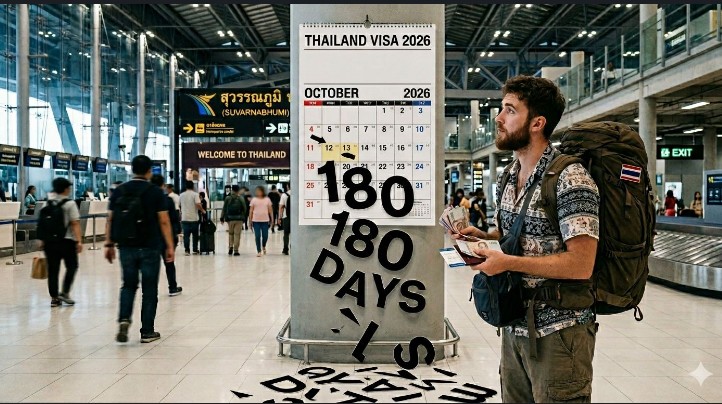
The 180-Day Threshold: Are you a tax resident this year? If you spend more than 180 days in Thailand, your global remittances are under the microscope.
DTA Benefits: Does your home country have a Double Taxation Agreement with Thailand? You might be paying tax you don't actually owe.
Tax compliance in Thailand isn't about paying the most—it's about paying the correct amount. Don't leave your financial security to guesswork.
If you are planning a significant transfer this quarter, let’s ensure your documentation is audit-ready before you hit "send.
Services
Tailored financial solutions for your business success.
email: wantana@lifestyleaccountants.com
Phone: +6682 942 1150
© 2026. All rights reserved. Lifestyle Accountants
99/268 Supalai Park Ville
Lumpho, Bangbuathong
Nonthaburi 11110







Scan or click